Lots of It About - Corporate Social Responsibility
"I believe in corporations, the are indispensable instruments of our modern civilization; but I believe that they should be so superviesed and so regulated that they shall act for the interests of the community as a whole" - Teddy Roosevelt
The reading, "Lots of It About - Corporate Social Responsibility" targets the problem of big businesses not taking responsibility when leaving communities high and dry (out of jobs, only pursuing the interests of their stakeholders, exploiting third-world countries, trashing the environment and challenging democratically elected governments). There has been a push for companies to become more responsible for their actions. "Business Strengthening America", is a program that does just that. BSA encourages civic engagement and volunteering throughout corporate America, which in turn large companies are required to think of more than just their stakeholders interests.
East Indies:
The first big push to change a company and the way it worked dates back to 1790. Elizabeth Heyrick led a consumer boycott by urging her fellow citizens to stop buying "blood stained" sugar from the West Indies. This boycott resulted in the Indies buying their sugar from producers in Bengal who did not use slaves as their workers. Currently, the influence of non-governmental organizations on corporations is much more pervasive.

In Amer ica, businessmen created modern organizations that spanned the continent much faster than the government could. By 1891, the Pennsylvania Railroad had employed over 110,00 people which was three times the amount of people enlisted in the army, navy and marines combined. Because of this, it was easier for monoliths to lay down their own rules. Companies laying down their own laws however, did not have that freedom for long. Shortly after, there were unions that had sprung up and journalists who revealed corporate abuse.

Not until the 1980's did America start seeing more independent businesses. For that, we have Margaret Thatcher and Ronald Reagan to thank. In the 1980's there were generations of more aggressive and numerous stakeholders who believed that companies should be run on their (individuals) interests.
Good Deeds Aplenty:
Many of the American companies were willing to take on social obligations without the prompting of the government. Quaker's had founded many banks and confectionery firms where they had regular meetings to justify the good that their business is doing for their peers, religion was a large part of corporations inspiration at the time to do good. Much of America's educational and health infrastructure was formed based on religion. Companies had introduced pensions and health-care benefits longs before government had told them to do so, and were able to guarantee work for 48 weeks out of the year. Important people during this time included: Henry Ford who began paying his workers twice the minimum wage, Henry Heinz who paid for his workers education, and Tom Watson who gave his workers an education as well as country-club memberships.
Currently, many companies try to do good and believe they should be doing good for their stakeholders as well as shareholders because they are in favor of "building to last". There are two reasons why acting responsibly is in shareholders interests:
Terms:
Corporate Social Responsibility - how responsible companies should be to those other than their own shareholders
Greenpeace - Leading independent campaigning organization that uses peaceful direct action and creative communication to expose global environmental problems and to promote solutions that are essential to a green and peaceful future
Codswallop - Nonsense
Oligopolistic - A market condition in which sellers are so few that the actions of any one of them will materially affect price and have a measurable impact on competitors.
Other View Points:
http://www.forbes.com/2008/10/16/corporate-social-responsibility-corprespons08-lead-cx_mn_de_tw_1016csr_land.html ---> A website article that believes corporate social responsibility is a great thing. Companies that "demonstrate a concern for the environment, human rights, community development and the welfare of their employees both in the U.S. and abroad, they will make their firms more profitable. Their firms will gain a competitive advantage by appealing to the growing numbers of socially and environmental oriented consumers, investors and employees."
http://hbswk.hbs.edu/archive/4008.html ---> A website that believes corporate social responsibility is not a smart choice on behalf of business owners. It states that "company social responsibility initiatives could diminish shareholder returns, distract business leaders from their focus, and often allow companies to continue bad behavior in the shadows."
--- If all business focused on Corporate social responsibility, would our country be better off or would it hurt hurt more because companies focus would be more on the individuals rather than the "real" service the company is providing?
(For some reason, my font sizes are not working very well... Sorry that it might be hard to read or look funny!)
"I believe in corporations, the are indispensable instruments of our modern civilization; but I believe that they should be so superviesed and so regulated that they shall act for the interests of the community as a whole" - Teddy Roosevelt
The reading, "Lots of It About - Corporate Social Responsibility" targets the problem of big businesses not taking responsibility when leaving communities high and dry (out of jobs, only pursuing the interests of their stakeholders, exploiting third-world countries, trashing the environment and challenging democratically elected governments). There has been a push for companies to become more responsible for their actions. "Business Strengthening America", is a program that does just that. BSA encourages civic engagement and volunteering throughout corporate America, which in turn large companies are required to think of more than just their stakeholders interests.
East Indies:
The first big push to change a company and the way it worked dates back to 1790. Elizabeth Heyrick led a consumer boycott by urging her fellow citizens to stop buying "blood stained" sugar from the West Indies. This boycott resulted in the Indies buying their sugar from producers in Bengal who did not use slaves as their workers. Currently, the influence of non-governmental organizations on corporations is much more pervasive.

In Amer
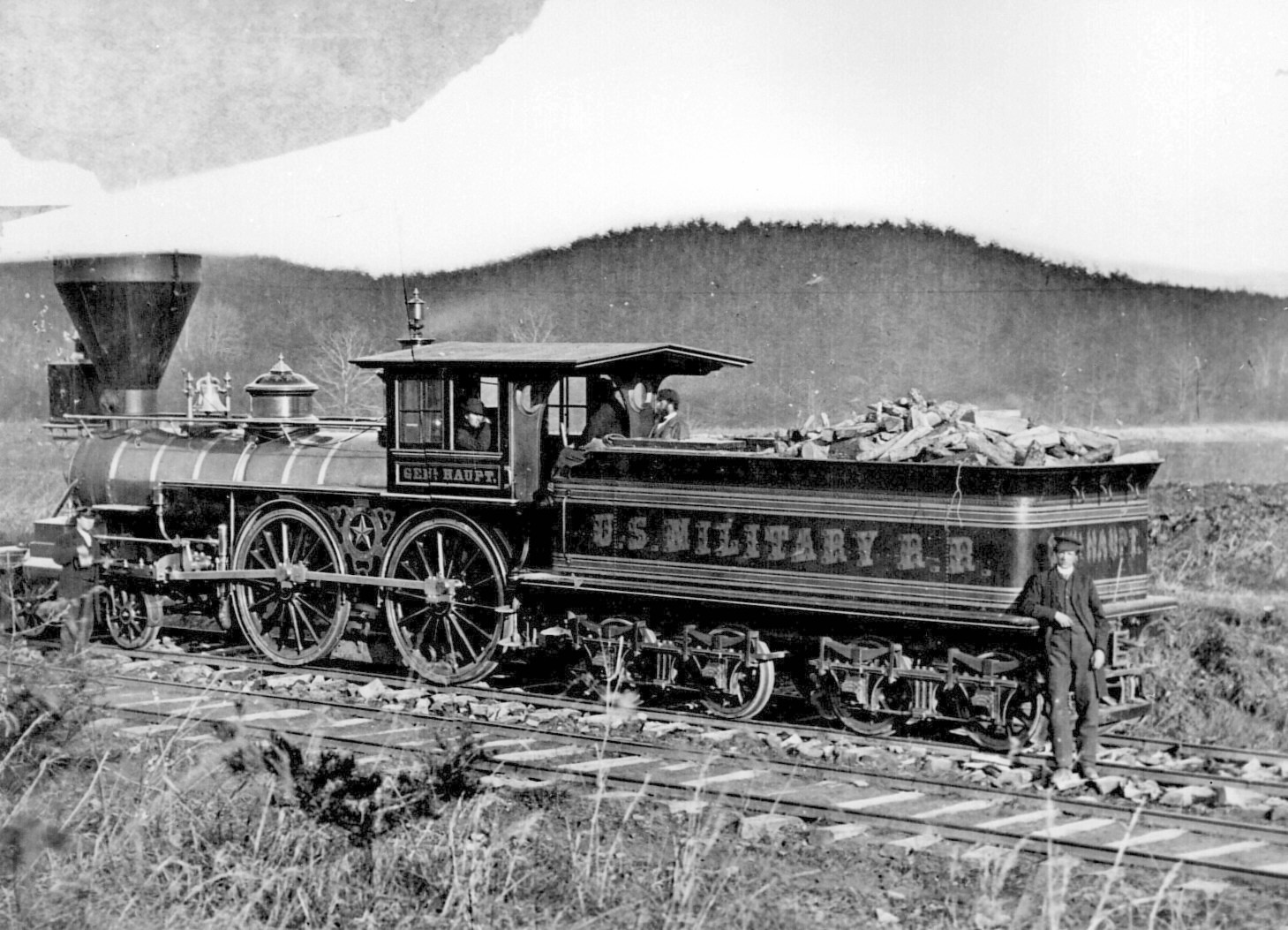 ica, businessmen created modern organizations that spanned the continent much faster than the government could. By 1891, the Pennsylvania Railroad had employed over 110,00 people which was three times the amount of people enlisted in the army, navy and marines combined. Because of this, it was easier for monoliths to lay down their own rules. Companies laying down their own laws however, did not have that freedom for long. Shortly after, there were unions that had sprung up and journalists who revealed corporate abuse.
Not until the 1980's did America start seeing more independent businesses. For that, we have Margaret Thatcher and Ronald Reagan to thank. In the 1980's there were generations of more aggressive and numerous stakeholders who believed that companies should be run on their (individuals) interests.
Good Deeds Aplenty:
Many of the American companies were willing to take on social obligations without the prompting of the government. Quaker's had founded many banks and confectionery firms where they had regular meetings to justify the good that their business is doing for their peers, religion was a large part of corporations inspiration at the time to do good. Much of America's educational and health infrastructure was formed based on religion. Companies had introduced pensions and health-care benefits longs before government had told them to do so, and were able to guarantee work for 48 weeks out of the year. Important people during this time included: Henry Ford who began paying his workers twice the minimum wage, Henry Heinz who paid for his workers education, and Tom Watson who gave his workers an education as well as country-club memberships.
Currently, many companies try to do good and believe they should be doing good for their stakeholders as well as shareholders because they are in favor of "building to last". There are two reasons why acting responsibly is in shareholders interests:
- It builds trust, and trust gives companies the benefit of the doubt when dealt with customers, workers and regulators. It allows them to weather storms, such a lay-offs or a product that does not work
- The edge it gives in attracting good employee as well as customers.
Terms:
Corporate Social Responsibility - how responsible companies should be to those other than their own shareholders
Greenpeace - Leading independent campaigning organization that uses peaceful direct action and creative communication to expose global environmental problems and to promote solutions that are essential to a green and peaceful future
Codswallop - Nonsense
Oligopolistic - A market condition in which sellers are so few that the actions of any one of them will materially affect price and have a measurable impact on competitors.
Other View Points:
http://www.forbes.com/2008/10/16/corporate-social-responsibility-corprespons08-lead-cx_mn_de_tw_1016csr_land.html ---> A website article that believes corporate social responsibility is a great thing. Companies that "demonstrate a concern for the environment, human rights, community development and the welfare of their employees both in the U.S. and abroad, they will make their firms more profitable. Their firms will gain a competitive advantage by appealing to the growing numbers of socially and environmental oriented consumers, investors and employees."
http://hbswk.hbs.edu/archive/4008.html ---> A website that believes corporate social responsibility is not a smart choice on behalf of business owners. It states that "company social responsibility initiatives could diminish shareholder returns, distract business leaders from their focus, and often allow companies to continue bad behavior in the shadows."
--- If all business focused on Corporate social responsibility, would our country be better off or would it hurt hurt more because companies focus would be more on the individuals rather than the "real" service the company is providing?
(For some reason, my font sizes are not working very well... Sorry that it might be hard to read or look funny!)





 Posts
Posts

